


Services
Private Tour
Guided tours
Informations
Description
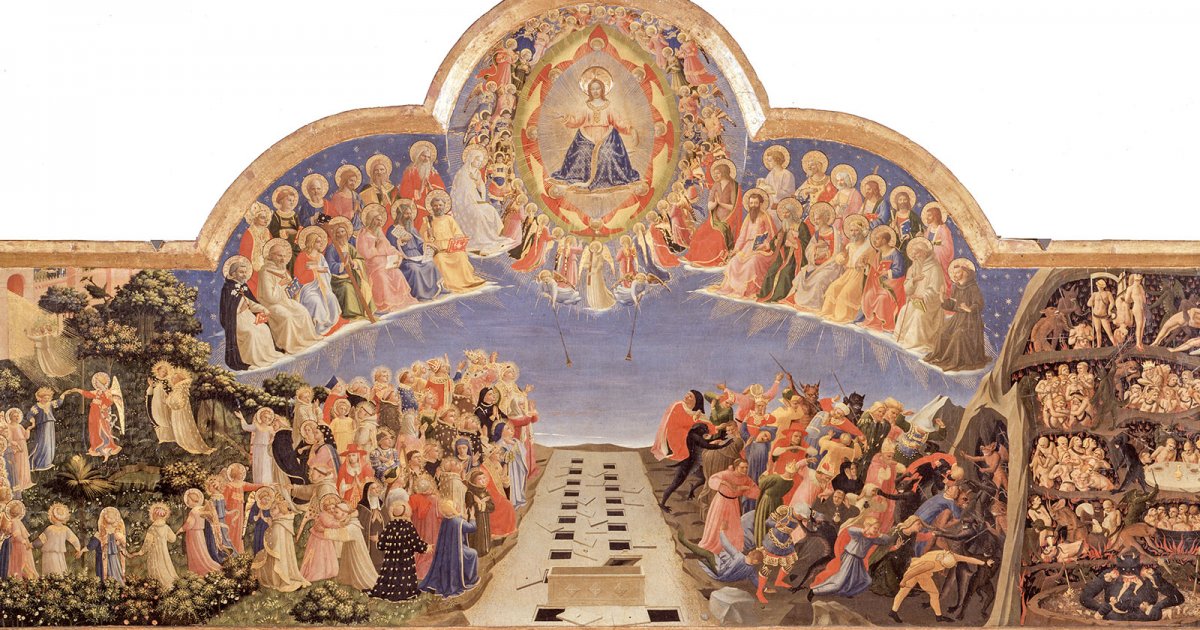
Beato Angelico, also known as Fra Angelico (born Guido di Pietro, c. 1395 – 1455), was an Italian painter and Dominican friar, considered one of the greatest artists of the early Italian Renaissance.
With this private, you will see the most important Masterpieces by Beato Angelico,
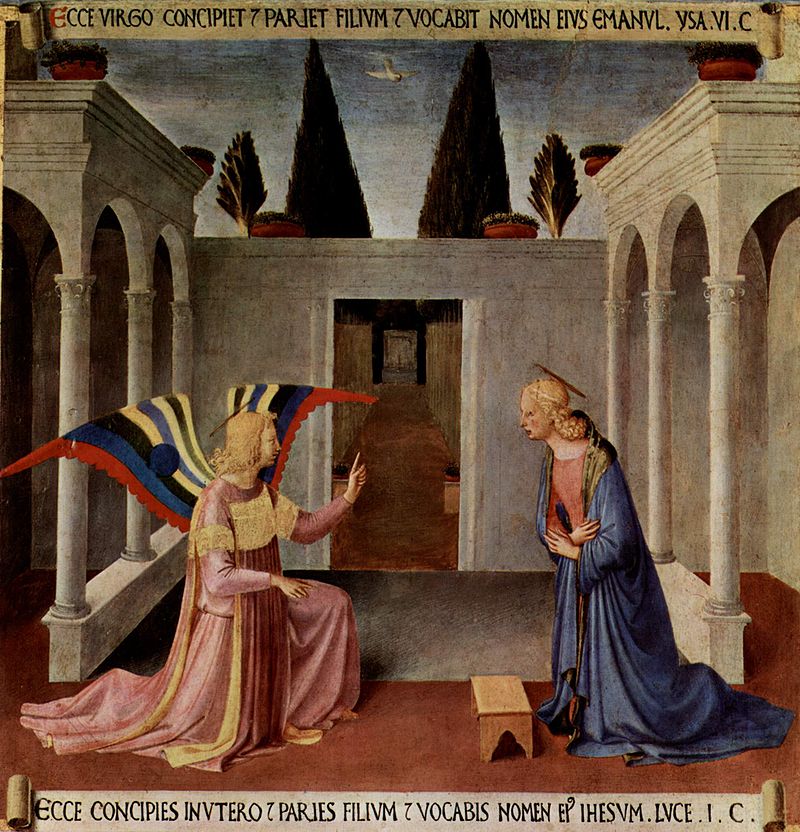
1. Annunciation – Fra Angelico
Located at the top of the staircase leading to the upper floor, this is perhaps the most famous work in the museum. The angel and the Virgin are depicted within a harmonious architectural space, radiating a sense of silence and spiritual peace. It is considered one of the purest examples of early Renaissance art.
2. Frescoed Cells of the Friars' Dormitory – Fra Angelico and workshop
Each monastic cell is adorned with a sacred fresco designed for private meditation. They depict scenes from the life of Christ such as the Crucifixion, Transfiguration, Adoration of the Magi, and Deposition from the Cross. Each piece is simple, powerful, and deeply contemplative.
3. Crucifixion with Saints – Fra Angelico
A monumental fresco in the Chapter Hall. It shows Christ on the cross surrounded by Dominican saints and historical figures, composed with emotional depth and spiritual balance.
4. Coronation of the Virgin – Fra Angelico
One of the most delicate and mystical works in the museum. Christ crowns the Virgin Mary, surrounded by a celestial choir of saints and angels in a scene filled with radiant color and light.
5. Madonna and Child with Saints – Fra Angelico
An altarpiece that blends Gothic elegance with Renaissance perspective. Notable for its refined detail and the gentle expressions of the figures.
6. Michelozzo's Library
Though not a painting, this architectural space is historically significant: one of the first public libraries of the Renaissance. Commissioned by Cosimo de’ Medici and designed by Michelozzo, it stands as a symbol of early Humanism.
7. Cell of Girolamo Savonarola
The famous Dominican preacher lived here in the late 15th century. His cell preserves personal objects and documents, offering a glimpse into Florence during his turbulent time.
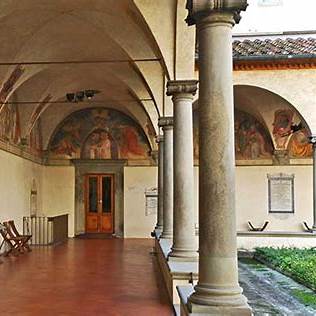
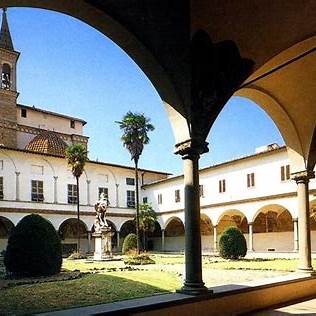
These masterpieces, set within the quiet of the former monastery, offer not only artistic beauty but also a deeply reflective and spiritual experience.
Included
- Reserved entrance at San Marco Museum
- 2 hours private guide at disposal
- Headset if requested
Not included
- Extras and tips
Meeting point
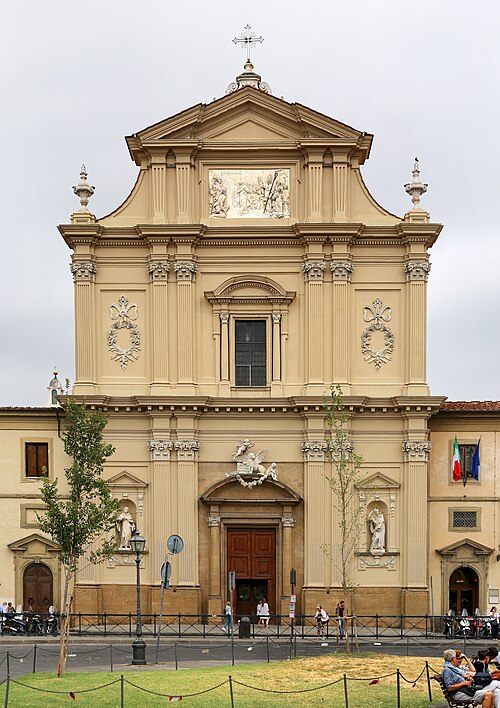
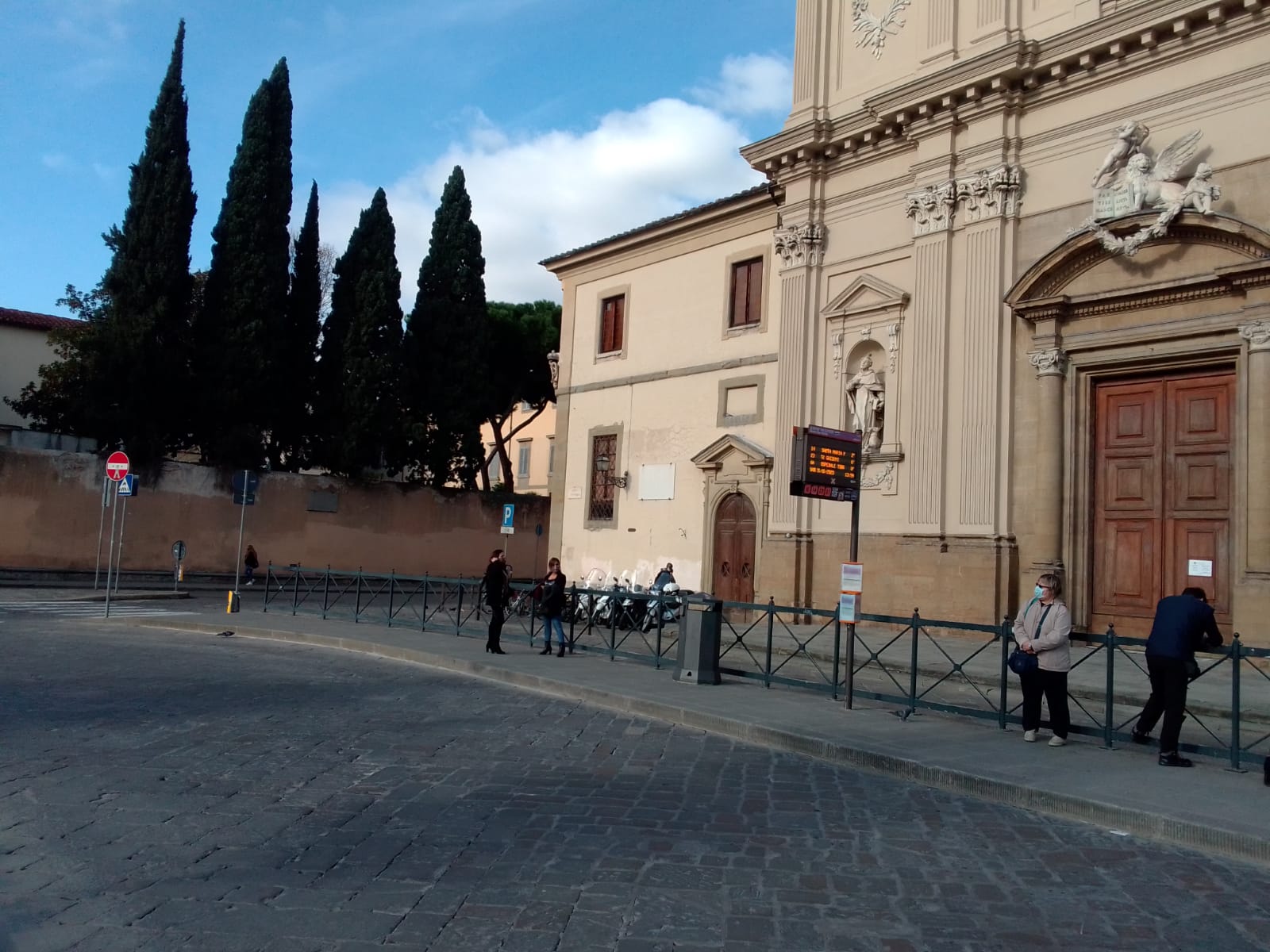
San Marco Square at the statue of Manfredo Fanti
Informations
The experience is available in Italian, English, French, Spanish and German.